

Some hurts don’t need words anymore — they just need silence and time. “I have no complaints left with anyone now” is more than a line, it’s the sound of a heart that finally stopped fighting and started healing. This poem follows one simple truth: people change, seasons of the heart change, but the ones who stay connected to something bigger than the world around them are the ones who truly find peace.
It moves gently from pain to acceptance, from broken trust to quiet strength, and finally to prayer — a reminder that no matter how many people change their colors, you don’t have to change your character.
I have no complaints left with anyone now
Whoever got tired of me, changed that much

I have no complaints left with anyone now
My heart has learned to stay silent

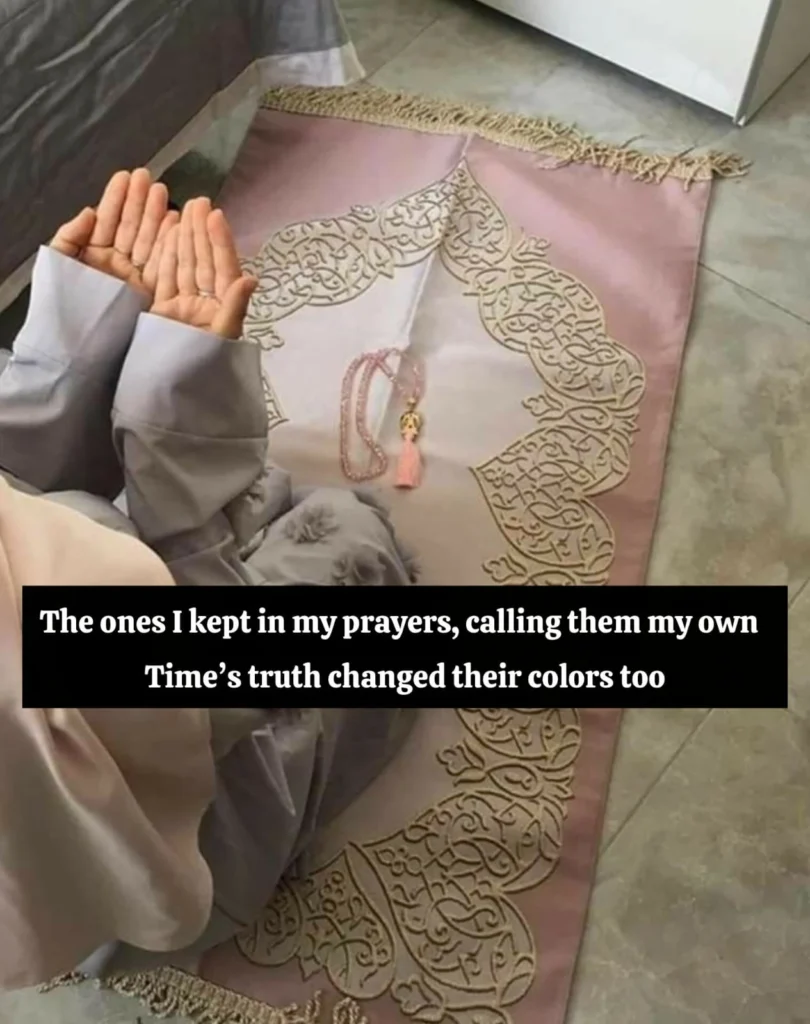
The ones I kept in my prayers, calling them my own
Time’s truth changed their colors too
The candle of loyalty never used to go out
But the direction of the wind kept changing, and changing

I lit lamps of sincerity
But people chose the seasons of selfishness
The faces stayed the same, the tone changed

Even our own slowly became strangers
Now there’s no complaint, no question left
Every answer is found in the court of time

The heart that connected to Allah, found peace
And the one that got lost in the world, changed

Listen, my only prayer now is that the heart stays at one door
Let loyalty be there, let hope be there
Let people change if they must
But a person should never change their character

FAQ’S:
Q1: Is this poem only about heartbreak?
A1: Not just heartbreak — it moves through acceptance, silence, broken trust, and finally spiritual peace, ending with a prayer to stay true to your own character.
Q2: What does "court of time" mean in stanza 6?
A2: It’s a metaphor meaning that time itself reveals the truth in every situation, so there’s no need to argue or explain — time answers everything eventually.
Q3: Why does the poem mention Allah in stanza 7?
A3: It shows where real peace comes from — the heart that stays connected to Allah remains steady, while the heart that chases the world keeps changing with it.
Q4: What's the main lesson of the last stanza?
A4: That people and circumstances may change, but your own character and loyalty shouldn’t change because of how others treat you.
Q5: Who is this poem for?
A5: Anyone healing from broken trust, quiet heartbreak, or people who changed — and anyone looking for peace through faith instead of bitterness.
before we goo
People may change, seasons may change — but your character is yours to keep. That’s the quiet strength this poem leaves behind.
If this moved you, read the original Roman Urdu version too: <span style=”color:#B8860B;”>Ab Kisi Se Koi Shikwa Nahi</span> — same poem, same heart, different language.
And for more on finding peace after a hard season: <span style=”color:#B8860B;”>Understanding Mental Health and Wellness – Care Yourself</span>