
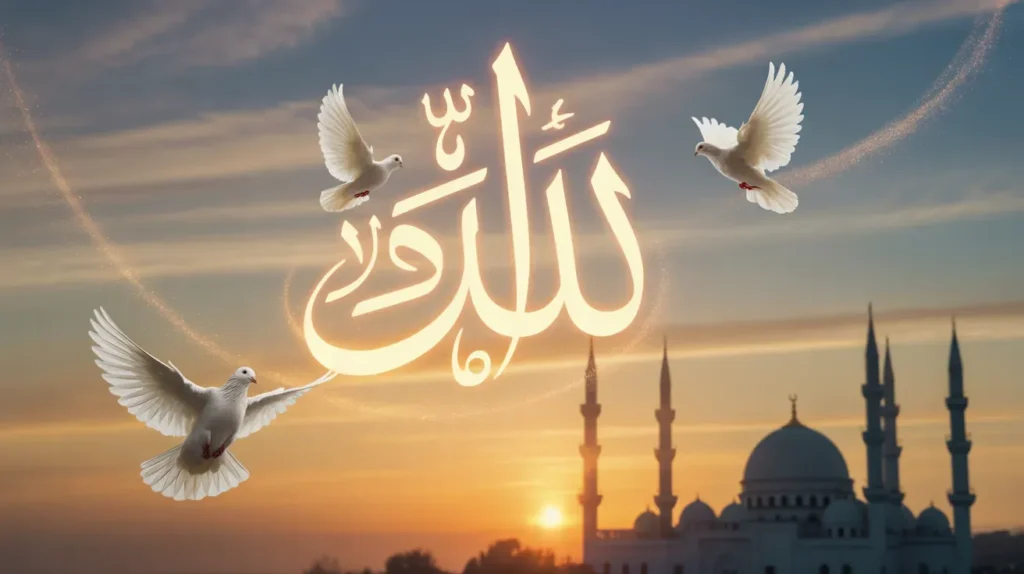
Salam is not just a word — it is a prayer, a gift, and a bridge between hearts. In a world full of noise, salam carries the fragrance of peace, love, and humanity. These verses celebrate the beauty of this blessed greeting.
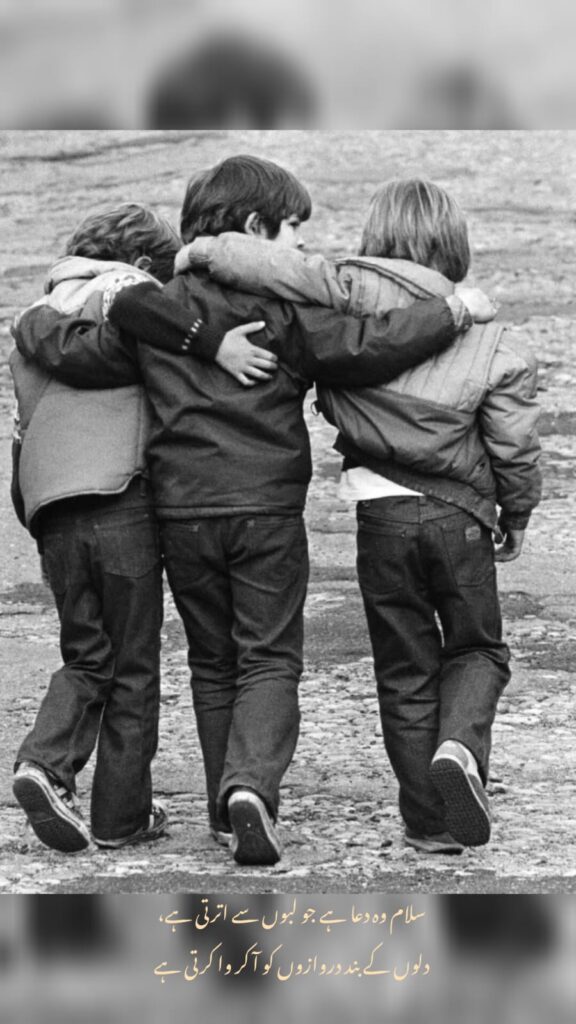
سلام وہ دعا ہے جو لبوں سے اترتی ہے،
دلوں کے بند دروازوں کو آ کر وا کرتی ہے۔
Salam woh dua hai jo labon se utarti hai,
dilon ke band darwazon ko aa kar wa karti hai.
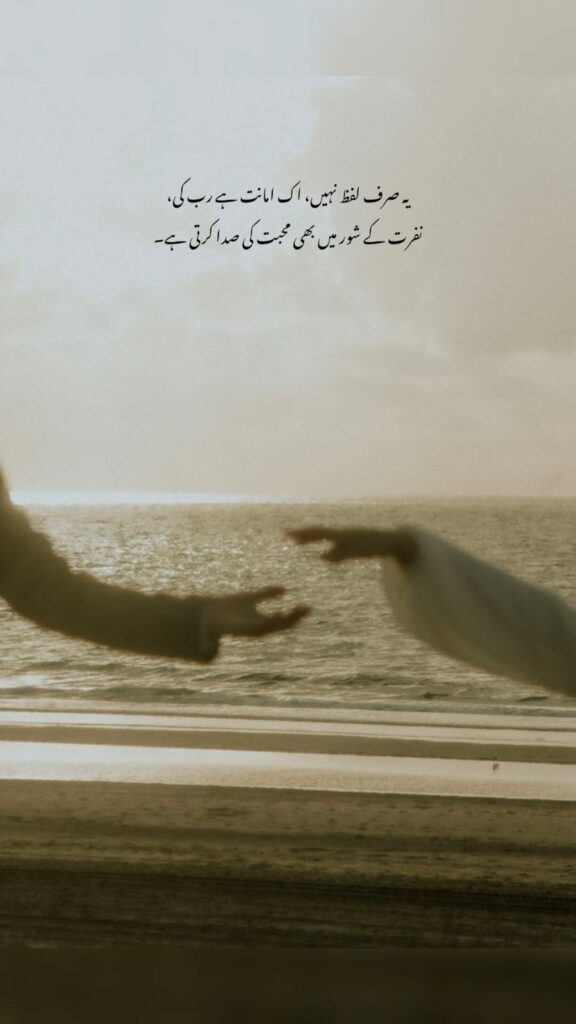
یہ صرف لفظ نہیں، اک امانت ہے رب کی،
نفرت کے شور میں بھی محبت کی صدا کرتی ہے۔
Yeh sirf lafz nahin, aik amanat hai Rab ki,
nafrat ke shor mein bhi mohabbat ki sada karti hai.
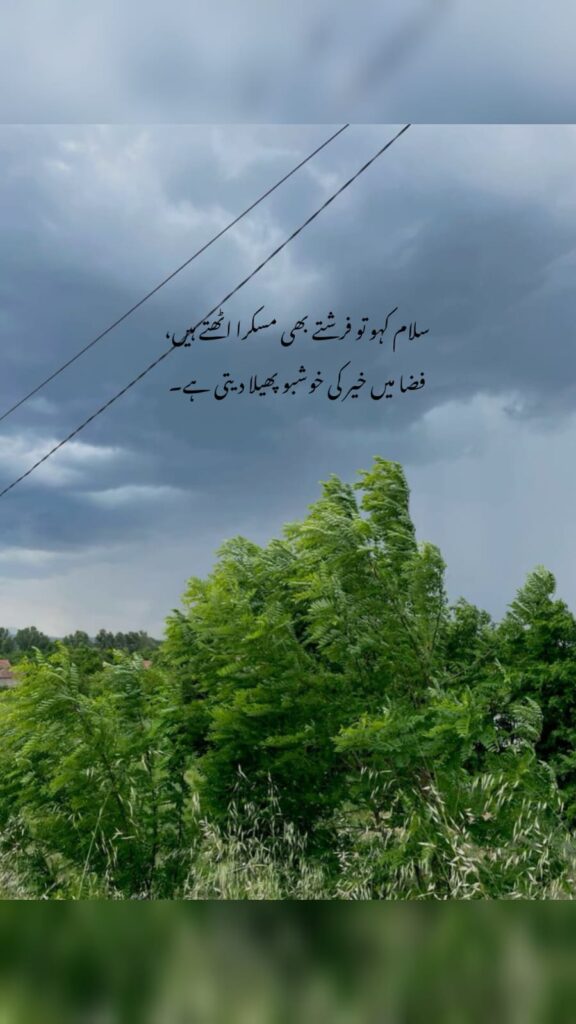
سلام کہو تو فرشتے بھی مسکرا اٹھتے ہیں،
فضا میں خیر کی خوشبو پھیلا دیتی ہے۔
Salam kaho to farishte bhi muskura uthte hain,
fiza mein khair ki khushboo phaila deti hai.
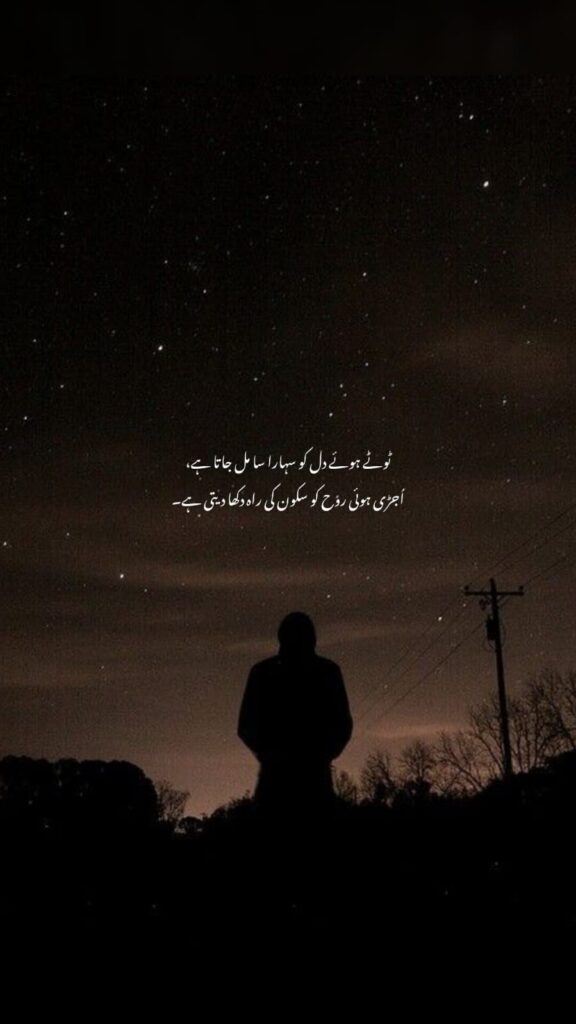
ٹوٹے ہوئے دل کو سہارا سا مل جاتا ہے،
اُجڑی ہوئی روح کو سکون کی راہ دکھا دیتی ہے۔
Tootay huay dil ko sahara sa mil jata hai,
ujri hui rooh ko sukoon ki raah dikha deti hai.
سلام ہی آغاز ہے، سلام ہی انجام،
بندگی کی پہچان اور انسانیت کا مقام۔
Salam hi aghaz hai, salam hi anjaam,
bandagi ki pehchan aur insaniyat ka maqam.

Salam is the language of the soul — simple, pure, and full of light. May every salam you give and receive bring peace to your heart and warmth to your world.
For more spiritual poetry, explore Urdu Poetry on Faith, Love, and Allah.
FAQ’S:
Q1 : What is the meaning of Salam in Urdu poetry?
Salam in Urdu poetry symbolizes peace, love, respect, and a heartfelt connection between people and with Allah.
Q2: Why is Salam important in Islamic culture?
A: Salam is a blessed greeting in Islam that spreads peace, strengthens bonds, and earns reward. It is a sunnah of the Prophet ﷺ.
Q3: How does Salam poetry reflect spirituality?
Salam poetry connects the heart to faith, love, and humanity — reminding us that a simple greeting carries deep spiritual meaning.
Aur sukoon wali poetry: Spirituality and Divine Closeness aur Urdu Poetry on Faith, Love, and Allah.
Yeh sukoon sirf lafzon se nahi, khud ka khayal rakhne se bhi aata hai. Mental health aur wellness ko samajhna isi salam ki roshni ka hissa hai. Aur kabhi kabhi naye safar bhi dil ko sukoon dete hain, jaise Costa Rica mein akele safar.