
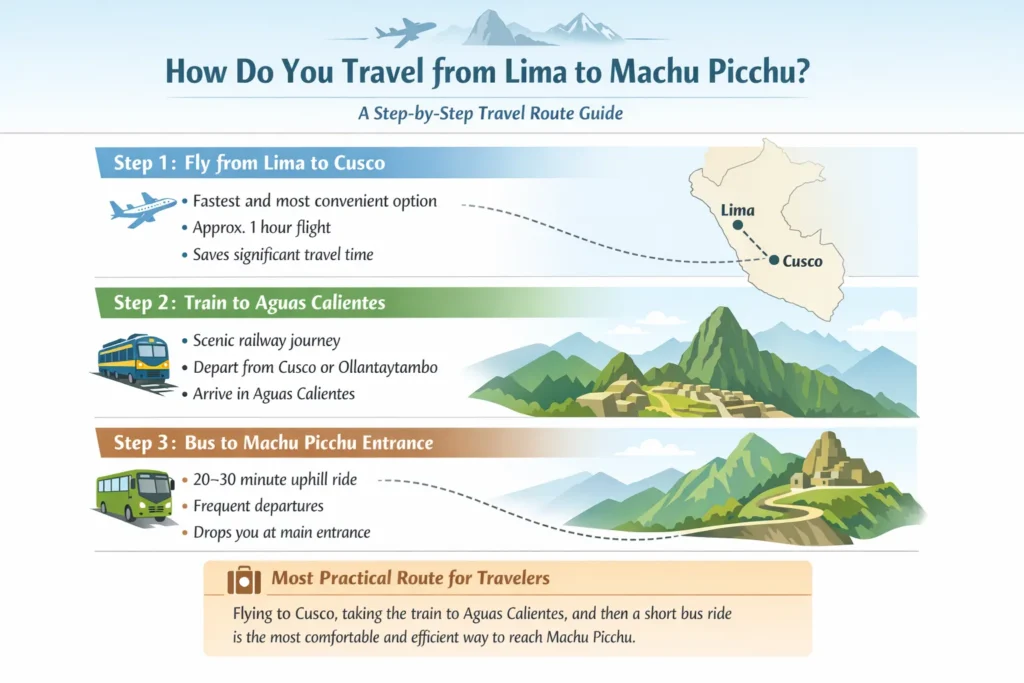
Traveling from Lima to Machu Picchu usually involves multiple steps. First, most visitors fly from Lima to Cusco to save time. After arriving in Cusco, you take a train to Aguas Calientes, the town below Machu Picchu. From there, a short bus ride takes you up to the entrance. This route is the most practical and comfortable for most travelers.
In this guide, you will learn the simplest and best ways to travel from Lima to Machu Picchu. It will help you understand the routes, travel options, and useful tips to make your journey easy and enjoyable.
Is It Better to Fly or Take the Train from Lima to Machu Picchu?
Flying is the better option because there is no direct train from Lima to Machu Picchu. The train only runs from Cusco or Ollantaytambo to Aguas Calientes. Flying saves many hours and reduces travel stress. The train part of the trip is scenic and relaxing, but it is only one section of the journey. For comfort and time efficiency, flying and the train are the best combination.
What Is the Best Route via Cusco?
The best route is to fly to Cusco, rest for at least 1 day to acclimate to the altitude, and then take the train to Aguas Calientes. This approach helps prevent altitude sickness and fatigue. Many travelers also explore Cusco’s historic center before continuing their journey. It balances comfort, safety, and cultural experience.
How Do You Get from Cusco to Aguas Calientes?
You can take a direct train from Cusco or drive to Ollantaytambo and board the train there. The journey takes between 1.5 and 3.5 hours, depending on the departure point. The route follows the Urubamba River and offers beautiful mountain views.
What Train Companies Operate This Route?
Two main companies operate trains: PeruRail and Inca Rail. Both provide different service levels, including budget and panoramic options. Booking early is recommended during peak season.
How Do You Travel Through the Sacred Valley to Reach Machu Picchu?
Traveling through the Sacred Valley is a scenic and cultural option. Many visitors stop in Pisac and Ollantaytambo before heading to Machu Picchu. The valley offers stunning mountain landscapes and important Inca ruins. Staying overnight in the valley helps you gradually adjust to the altitude. It also makes the trip more relaxed and enjoyable.
How Much Does It Cost to Travel from Lima to Machu Picchu?
The total cost depends on flights, train class, entrance tickets, accommodation, and food. Flying and taking a standard train usually cost more than taking a bus. Luxury train services increase the overall price. Booking early and traveling in shoulder season can reduce expenses. Overall, it can range from moderate to expensive depending on travel style.
When Is the Best Time to Travel from Lima to Machu Picchu?
The best time is during the dry season from May to September. These months offer sunny days and clearer mountain views. Rain is less common, making hiking and sightseeing easier. However, this is also peak tourist season, so booking in advance is important. Shoulder months like April and October offer fewer crowds with decent weather.
Do You Need Tickets in Advance for Machu Picchu?
Yes, entry tickets are limited each day to protect the site. During peak season, tickets can sell out weeks in advance. Popular hiking permits such as Huayna Picchu are even more limited. Booking early ensures you get your preferred date and time slot.
Should You Choose a Guided Tour or Travel Independently?
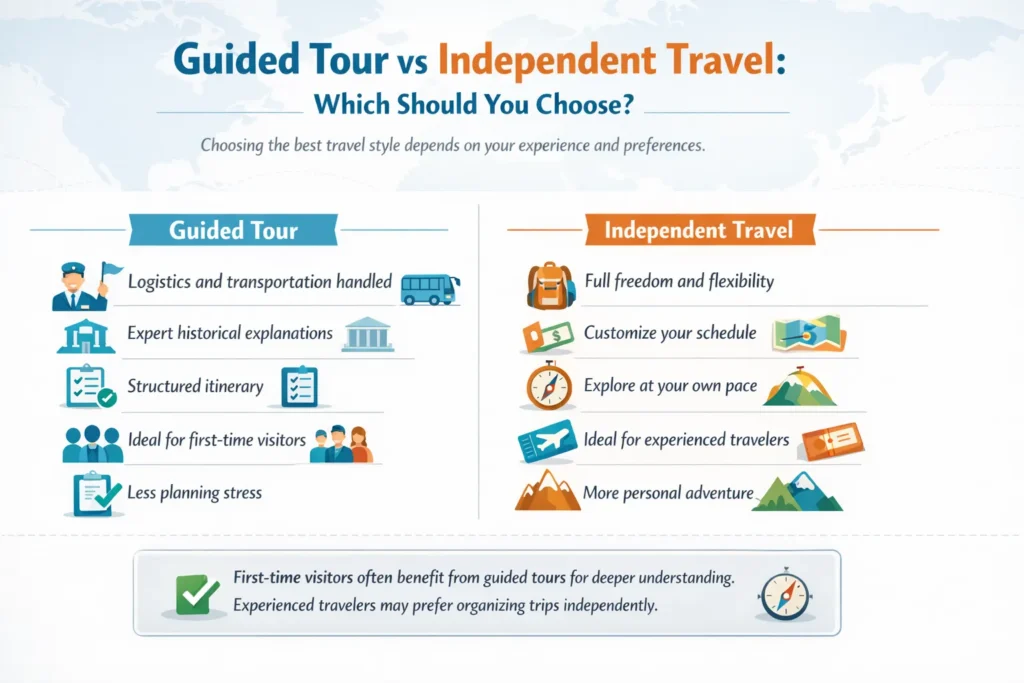
Choosing between a guided tour and independent travel depends on your experience level. Guided tours handle logistics, transportation, and provide expert historical explanations. Independent travel offers more freedom and flexibility. First-time visitors often benefit from guided tours for a deeper understanding. Experienced travelers may prefer organizing the trip themselves.
How Difficult Is the Trip to Machu Picchu?
The visit involves walking on uneven stone paths and climbing stairs. While not extremely difficult, it requires moderate physical fitness. Altitude in Cusco can cause mild discomfort for some travelers. Taking time to rest before visiting helps reduce risks. Most healthy adults and families can comfortably complete the visit.
What Are the Best Things to See at Machu Picchu?
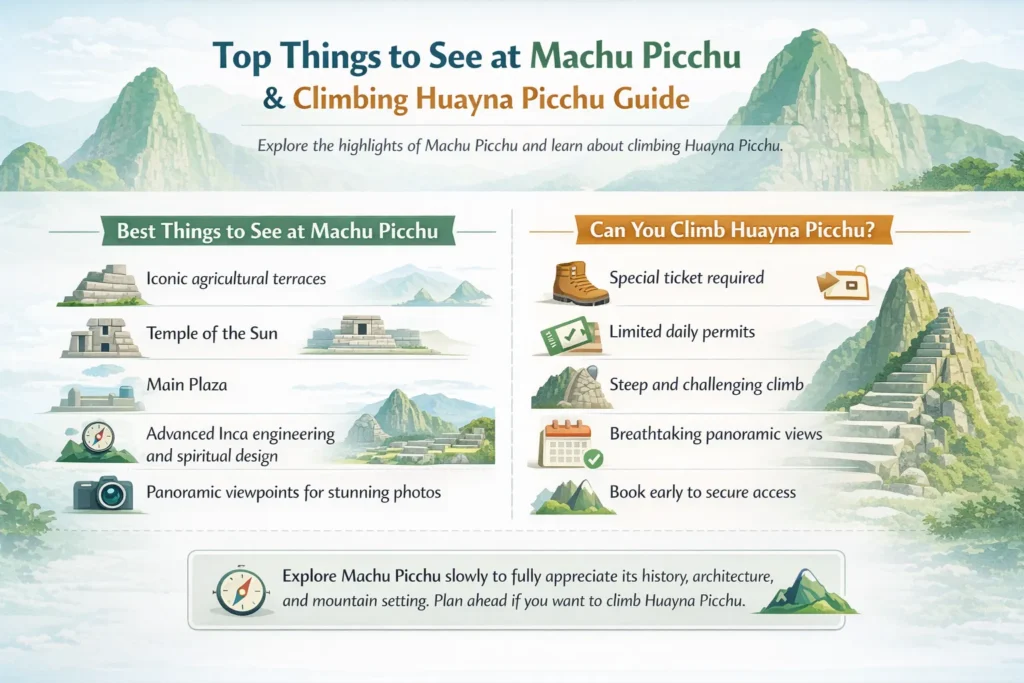
Machu Picchu is famous for its terraces, temples, and mountain setting. The Temple of the Sun and the main plaza are key highlights. The site reflects advanced Inca engineering and spiritual design. Panoramic viewpoints offer stunning photo opportunities. Exploring slowly allows you to appreciate its history and architecture.
Can You Climb Huayna Picchu?
Yes, but access is limited and requires a special ticket. The climb is steep and challenging, but it rewards visitors with breathtaking views. Booking early is essential due to limited daily permits.
FAQ’S
Can You Visit Machu Picchu Without a Guide?
Yes. You can visit Machu Picchu without a guide. However, hiring a professional guide helps you better understand the site’s history, architecture, and cultural significance.
Is It Necessary to Book Machu Picchu Tickets in Advance?
Yes. Entry tickets are limited each day to protect the site. During high season, tickets often sell out weeks ahead, so early booking is strongly recommended.
Can You Travel from Lima Directly to Machu Picchu by Train?
No. There is no direct train from Lima to Machu Picchu. Travelers must first reach Cusco and then take a train to Aguas Calientes.
Is the Dry Season the Best Time to Visit Machu Picchu?
Yes. The dry season from May to September usually offers clear skies and better hiking conditions, making it the most popular time to visit.
Is Machu Picchu Located at Sea Level?
No. Machu Picchu sits high in the Andes Mountains at about 2,430 meters (7,972 feet) above sea level.
Conclusion:
Traveling from Lima to Machu Picchu may seem complex, but it becomes simple with the right plan. Most travelers fly to Cusco, then continue by train to Aguas Calientes before reaching the ancient site. By booking tickets early, choosing the right season, and allowing time to adjust to altitude, you can enjoy a smooth and unforgettable journey.
Altitude adjustment is as much a mental game as a physical one, and our guide on understanding mental health and wellness has practical ways to stay grounded on the road. And if you’re chasing this kind of once-in-a-lifetime moment on your own, our Costa Rica solo travel guide covers a similar spirit of adventure closer to home.