
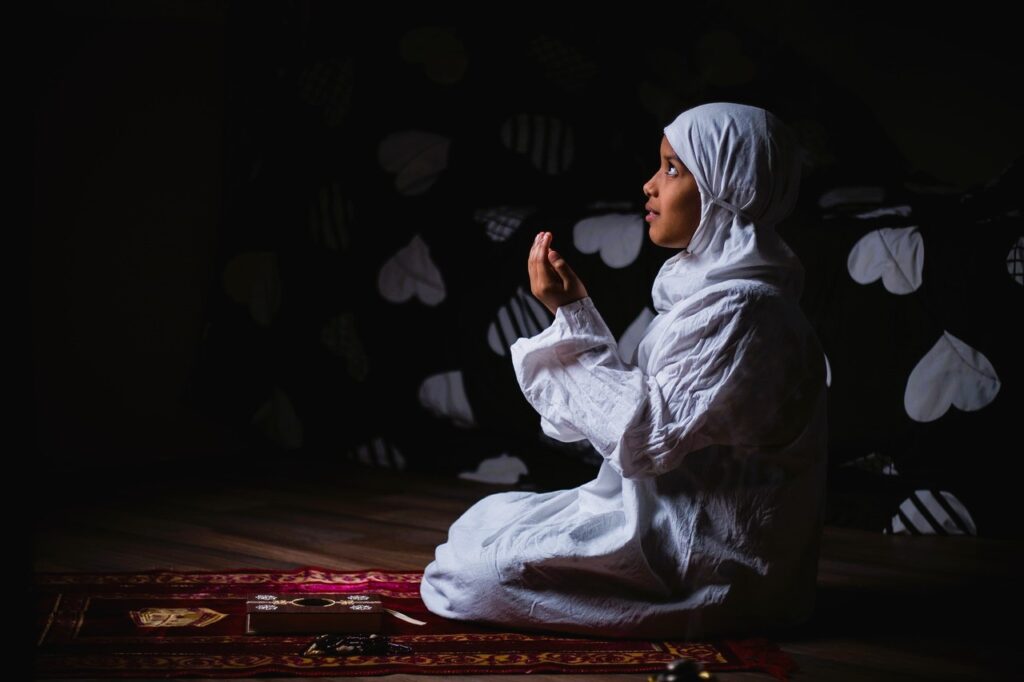
Islamic poetry has always been a soft link between the heart and religion, attempting to provide a language for the emotions to attain pureliness and the soul to attain calmness. Over the centuries, poets have maintained their devotional sentiments using simple yet profound imagery to convey the spiritual hunger and the inner light that directs a believer on their path to peace. The poem set out below is a continuation of this tradition, encoding in a profoundly meditative way the softness and radiance of divine love.
محبت اور خدائی نور
محبت خدائی فرم روشنی ہے۔
جو دل کے اندر جلتی ہے
احساسات کی صورت میں جنم لیتی ہے
مٹھاس بن کر پورے وجود کا احاطہ کرتی ہے
محبت عبادت سکون ایک ہی راستے کے نام ہیں۔
جو دل کی گزر گاہوں میں نور بن کر پھیل جاتا ہے۔
اصل میں یہی توده دنور ہے
جو ازل سے سجدہ ریز
ہواؤں کی خوشبوؤں میں ایسا پیغام ہے
جو دل سے گزر کر روح کو معطر کر دیتا ہے
ال بازگشت کو آخر حقیقت کی طرف لوٹنا ہے۔
جہاں کا حصہ سمٹ کر کمر آغوش من جا۔
Exploring the Substance of Divine Love
The poem runs around the central theme: Love from the Creator brings light in its tramp like no other. This light burns not harshly, but sinks into the heart with gentleness. This arises through pure feelings and gradually spreads all over the entire being and becomes a source of sweetness and inner expansion.
The poem blends aspects of love, worship and tranquility in a single pathway, a kind of spiritual progression through which divine radiance passes through the heart, bouncing through our thoughts and soothing our emotions. In such poetry, the classical Islamic themes of love being bound with devotion are often reflected in that it is a quiet form of remembrance.
Symbolism of Light in Islamic Literature
Light is one of the most powerful symbols in the Islamic writing. It symbolises guidance, purity, awakening and close to truth. The poem uses this imagery to highlight the concept that spiritual love serves as a secret light in the heart to shape the inner world of a believer.
In the lines where it is mentioned ancient devotion and fragrance on the winds carrying a message, the poem creates the impression of an eternal presence. This is a belief that there are divine signs in nature, indications in silence, and the gentle movements of the world. The fragrance mentioned is symbolic of purity of spirit – and that purity is not just for the heart but the deeper areas of the soul.
A Spiritual Journey to the beginning
Another strong theme present within the poem is the theme of returning back to truth. Islamic thought frequently focuses on the ultimate return of all creation to their Creator; indeed, this concept remains central across many spiritual discussions. Moreover, the poem develops this idea in a graceful manner, gently yet effectively guiding the reader toward a deeper understanding. In fact, it subtly suggests that all the fragments of existence, though seemingly scattered, eventually pull themselves together. Consequently, they move forward and ultimately head back into a final embrace of reality. Thus, the poem not only reflects a core theological principle but also, in the end, reinforces the universal movement toward divine unity.
This return is not presented as an ending but as an ending – an arrival in peace, understanding and closeness to the source of all light.
Why Such Poetry Is Still Resounding
In an age of noise and speed, spiritual poetry is something rare: stillness.
The reflective tone, spirituality that the poems are rich with and the heartfeltness of poems such as this makes for a moment of calm for as readers. Such verses enable the mind to be slowed down and the heart softened.
People continue to love beautiful Islamic poems because they offer layers of meaning, emotional depth, and a sense of connection to the divine.Their simplicity is their strength, and make a gentle but profound statement to all those who are seeking comfort, clarity or spiritual uplift.
Conclusion
This poem is, first of all, a quiet meditation on divine love, inner purity, and the light that awakens the soul. Moreover, through symbolic imagery and delicate articulation of emotion, it consequently invites deep reflection. In addition, it encourages thought on the pathway of devotion and, ultimately, on the journey of returning to the truth. Thus, the poem gradually guides the reader from contemplation to insight, thereby illuminating the spiritual progression it portrays. Such poetry does not only make the literature more dazzling but also gives the reader a heart full of warmth by reminding them about the spiritual beauty that is present within and around them.
More Islamic poetry: Islamic Poetry in Urdu and Teri Yaadon Ka Silsila.
This inner light also calls for care of the mind. Understanding mental health and wellness is part of that same spiritual stillness. And for those seeking quiet reflection away from the noise, a solo journey through Costa Rica can bring you closer to that inner light.
Pingback: Importance of Salah — A Poetic Reflection of Faith - versesoul